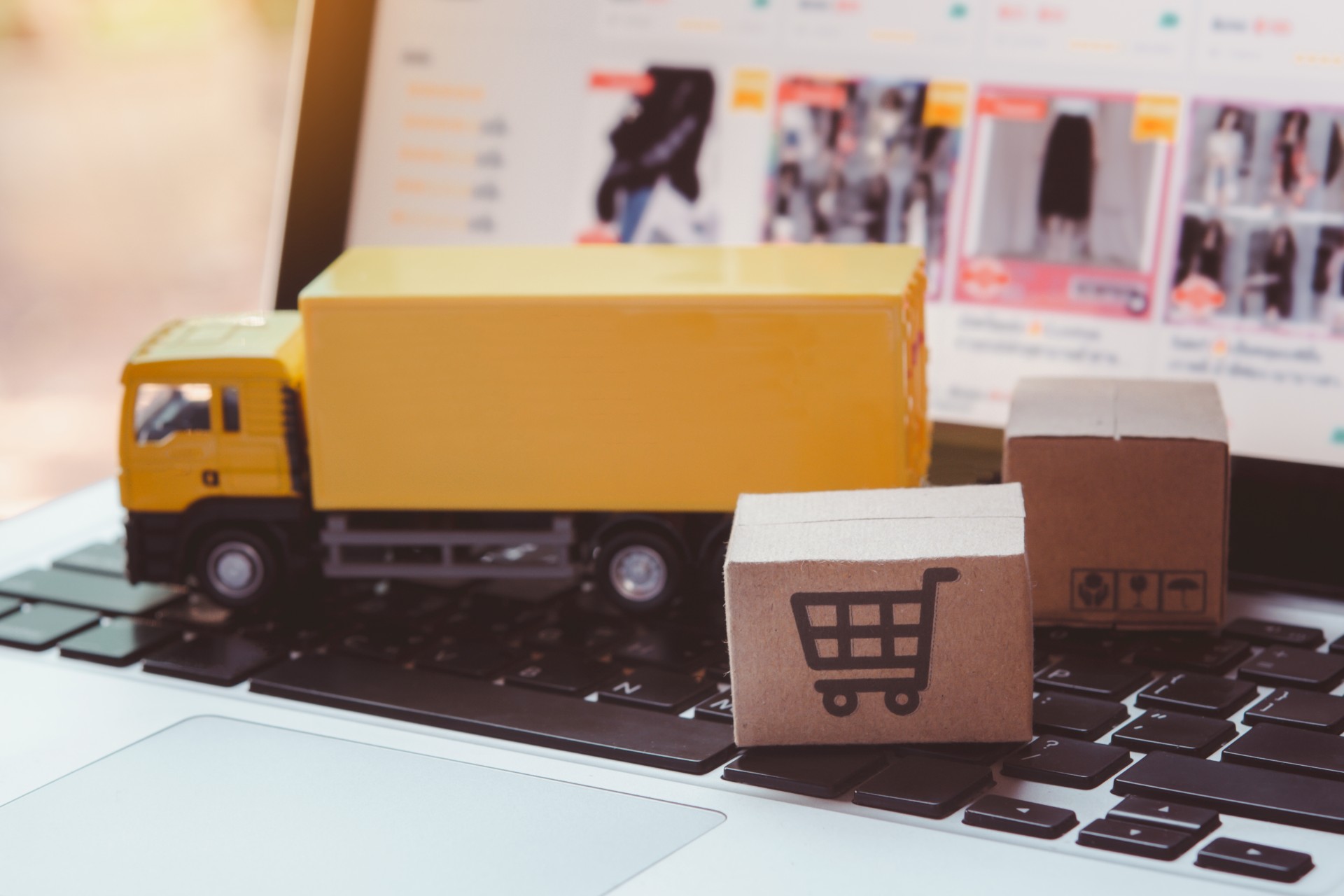
In dropshipping, a special form of online retail, the retailer does not physically stock the goods sold. Instead, the goods are shipped directly from the manufacturer or wholesaler to the end customer after the order is placed.
How the process works
The classic dropshipping process follows a three-step model:
- Order: The customer purchases a product from the retailer's online store and pays the price listed there.
- Forwarding: The retailer forwards the order details and delivery address to their dropshipping partner (wholesaler or manufacturer).
- Shipping: The partner packs the goods and ships them directly to the end customer – often on behalf of the retailer or in neutral packaging.
Advantages for retailers
- Low capital risk: Since no goods need to be purchased in advance, there is no need for upfront investment in inventory.
- No storage costs: Since no warehouse needs to be operated, there are no costs for rent, personnel, or logistics infrastructure.
- Scalability: The product range can be flexibly expanded or adapted without physical space constraints.
Challenges and risks
- Despite the advantages, there are a few crucial points for retailers to consider:
- Low margins: Since the wholesaler handles the logistics, the purchase prices per item are often higher than when buying in bulk.
- Lack of control: The retailer has no direct influence on delivery times, packaging quality, or the supplier's actual stock levels.
- Returns processing: The retailer remains the customer's legal contractual partner. This means that they are responsible for customer service and returns processing, even if they never handled the goods themselves.
- Legal obligations: Customs formalities and import sales taxes may apply, especially when shipping from non-EU countries (e.g., China). The customer must be clearly informed about these costs.
Difference from traditional retail
In contrast to reselling (purchasing, storage, and shipping), the dropshipper primarily acts as an intermediary and marketing interface. Although they bear the entrepreneurial risk of the sale, the entire physical logistics chain is outsourced.