X

What does floor storage mean?

Cover Image
a
b
c
d
e
f
g
h
i
j
k
l
m
n
o
p
q
r
s
t
u
v
w
x
y
z

Floor storage

With floor storage, goods are stored directly on the warehouse floor or on simple supports such as pallets, without the use of special racking systems. This classic storage method is mainly used for large, robust, or less sensitive goods.

Floor storage is characterized by its ease of use and low acquisition costs. It also allows the storage area to be flexibly adapted to the respective storage requirements and is particularly suitable for short-term or changing stock levels.

Areas of application

Floor storage is often used for:

  • Bulk and general cargo with high load-bearing capacity;
  • Palletized goods in production or transshipment halls;
  • Storage areas with frequently changing inventories;
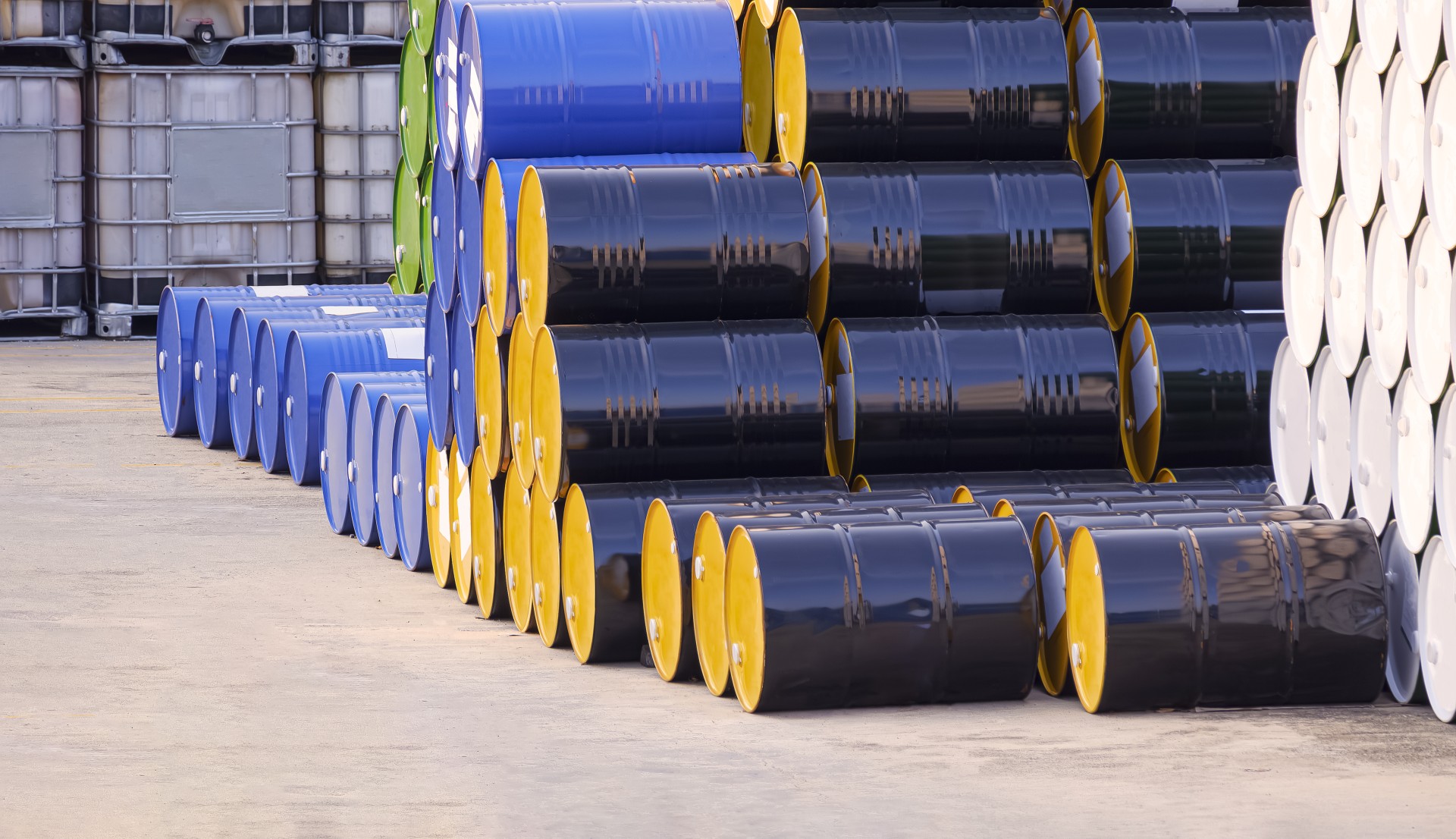
  • Storage of building materials, chemical drums, or heavy machinery.

This method is particularly useful when flexible, short-term storage solutions are required or when purchasing shelving systems is not economically viable.

Advantages of floor storage

  • Easy implementation: No complex shelving systems are required.
  • Flexible storage: Adaptable to different sizes, quantities, and product types.
  • Cost-effective: Low investment and operating costs.
  • Quick access: Direct access to stored goods without relocation.

Limitations

Despite its advantages, floor storage also has disadvantages:

  • Low space utilization: Due to the lack of vertical storage, storage space remains unused;
  • Limited clarity: Control can be more difficult with high inventory levels;
  • Limited protection options: Goods are exposed and therefore susceptible to damage.
Mike Schubert und Raimund Bergler

Request a free offer

We look forward to learning more about you and your project.