Request a free offer
We look forward to learning more about you and your project.
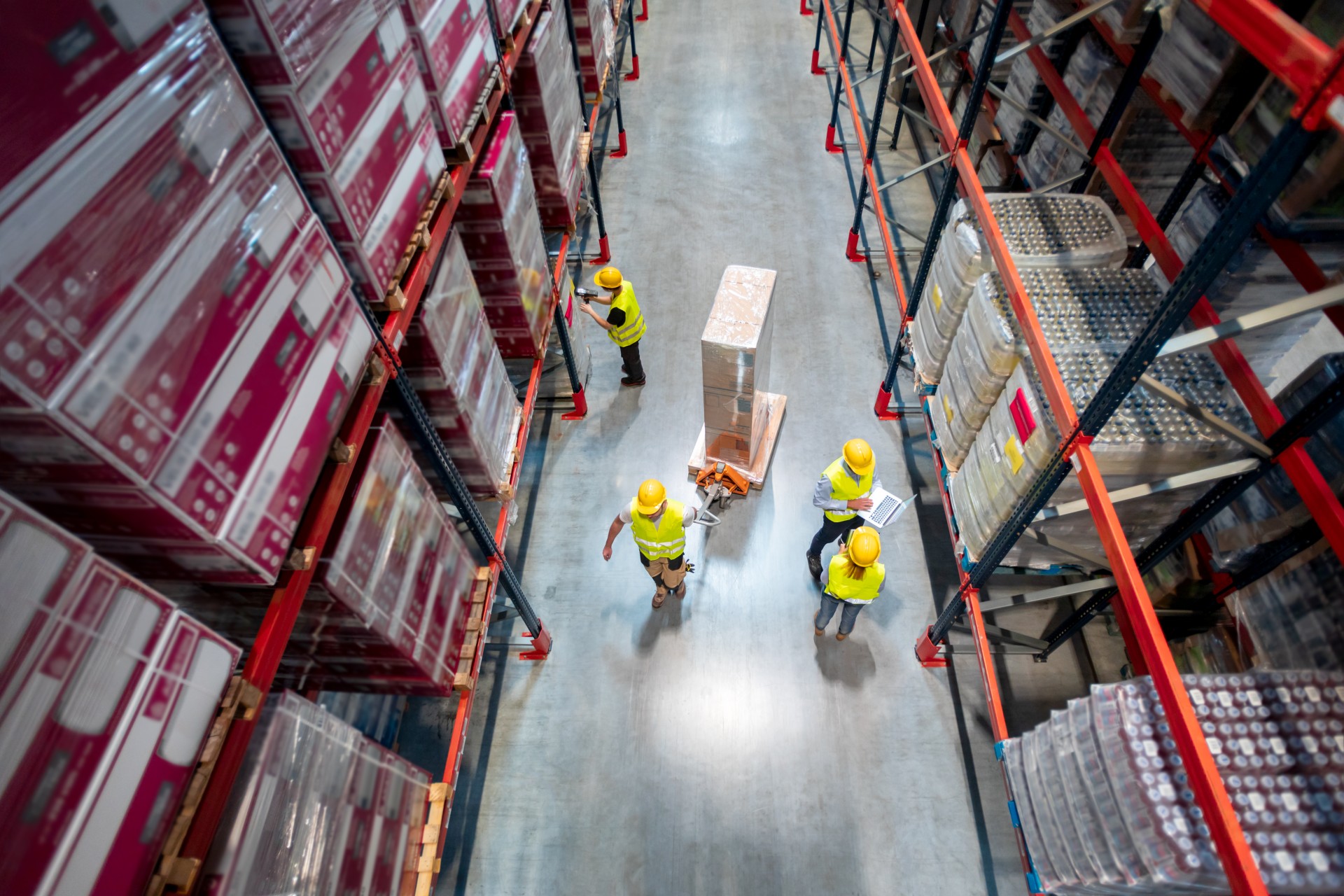
In logistics, a reallocation refers to any process in which goods are transported from one storage location to another without leaving the company. It is therefore an internal flow of goods, but one that must be accurately documented to ensure inventory accuracy in the warehouse management system.
Relocation is rarely done for its own sake; rather, it is usually a response to changing demands in day-to-day warehouse operations. The main reasons for this are:
This process is fundamentally distinguished based on physical distance:
Every reallocation must be fully recorded in the system. In modern warehouses, this is typically done on-the-go via scanning. As soon as an employee removes the goods from their old location and places them at the new location, the data is updated in real time in the background. This is the only way to prevent goods from being physically present but “invisible” to the system or recorded in the wrong location. A well-defined reallocation strategy is therefore the foundation for a tidy and efficient warehouse.
In modern warehouses, reallocations are no longer initiated manually on an as-needed basis, but are proactively planned through automatic replenishment control in the warehouse management system. The system constantly monitors inventory levels in the picking zones—the areas where employees retrieve goods for shipping.
As soon as stock falls below a specified minimum level, the software automatically generates a reallocation order. For example, the system “knows” that many orders for a specific item are expected the next day and has the item moved in a timely manner from the higher-level reserve warehouse to the lower, easily accessible picking bins. This form of planned reallocation prevents downtime during packing and ensures that the flow of goods never stalls.

We look forward to learning more about you and your project.