Request a free offer
We look forward to learning more about you and your project.
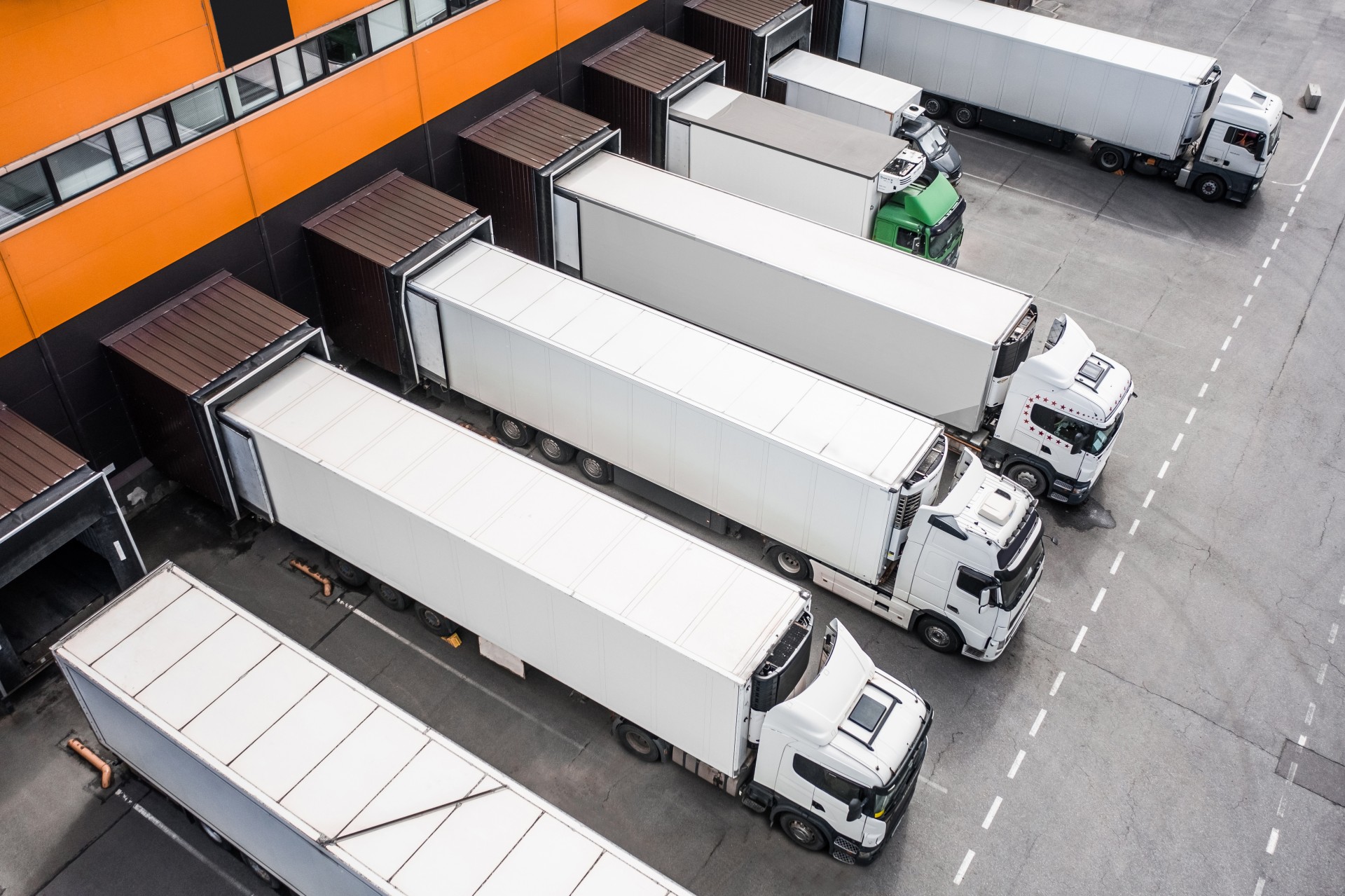
Goods receipt is the first stage in the internal logistics chain. It encompasses all processes and activities involved in accepting goods from external suppliers or the company's own production. As a central interface, the GR department ensures that only goods that are physically sound and correctly recorded enter the company's inventory.
The goods receipt process is designed to detect errors early on, before the goods 'disappear' into the warehouse.
Receipt of goods has significant legal relevance. By signing the waybill (consignment note), the recipient confirms that they have received the goods properly. If defects or shortages are not documented and reported to the carrier immediately, this can result in the loss of warranty claims. Furthermore, seamless documentation is essential for verifying invoices in accounting.
Modern companies rely on digital support for goods receipt to shorten lead times. Advanced shipping notices (ASNs) — pre-announcements from suppliers via EDI — mean that the warehouse knows which goods are arriving before the truck even reaches the site. This enables better staff planning and faster processing of goods. In highly automated systems, goods can be recorded fully automatically via scan tunnels and transported directly to the high-bay warehouse without manual intervention.

We look forward to learning more about you and your project.