Request a free offer
We look forward to learning more about you and your project.
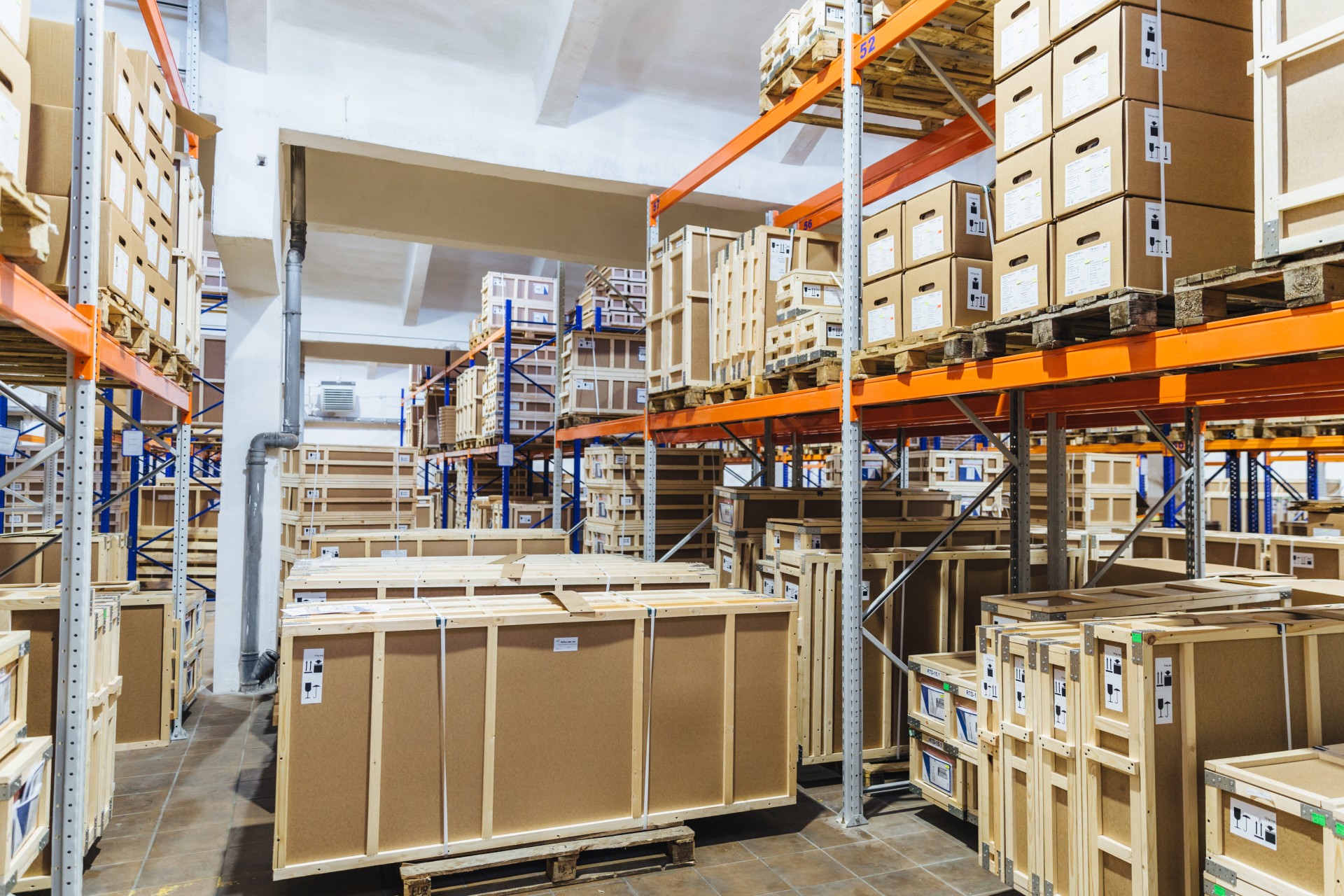
In a consignment warehouse, goods are stored at the customer's premises but remain the property of the supplier. The goods stored there are only invoiced when they are actually removed. This arrangement enables the customer to access important materials without immediately tying up capital. At the same time, the supplier can closely control its deliveries and plan its inventories efficiently. The warehouse thus acts as a link between the supplier and the customer, ensuring flexible material supply and rapid availability.
Consignment warehouses are mainly used in industries where a continuous supply of materials is crucial. These include the automotive industry, mechanical engineering, spare parts trade, wholesale, and retail. Especially in just-in-time processes or with highly variable demand, the consignment warehouse ensures that materials are available directly at the point of use without the customer having to provide their own storage capacity.
The use of a consignment warehouse offers several advantages: Companies benefit from shorter delivery times and direct access to inventory, while minimizing capital commitment. The supplier, in turn, can plan its logistics more efficiently and strengthen customer loyalty.
At the same time, this form of warehousing requires precise coordination and careful inventory management. Since ownership is only transferred upon consumption, the supplier bears the risk of damage, spoilage, or excess inventory. Close communication between the partners is crucial to ensure that withdrawals are billed correctly and bottlenecks are avoided.

We look forward to learning more about you and your project.